

Updated on: February 15, 2026
Electric golf carts represent a modern solution for golf course transportation and residential use. These vehicles offer environmental benefits, reduced operating costs, and improved performance compared to traditional gas-powered alternatives. Understanding their features, advantages, and maintenance requirements helps buyers make informed purchasing decisions. This comprehensive guide explores everything you need to know about electric models and where to find quality options.
Table of Contents
- Practical Guide to Electric Golf Carts
- Key Advantages of Electric Models
- Battery Maintenance and Lifespan
- Electric Versus Gas Performance
- Frequently Asked Questions
- Summary and Next Steps
Practical Guide to Electric Golf Carts
Understanding Battery Technology
Modern electric golf carts utilize advanced lithium-ion or lead-acid battery systems designed for consistent performance and extended range. Battery capacity typically ranges from forty-eight to seventy-two volts, affecting acceleration, top speed, and daily operating distance. Understanding battery specifications helps users maximize cart efficiency and plan charging schedules appropriately. Most contemporary models require six to eight hours for complete charging cycles, making overnight charging a practical routine for daily operators.
Charging Infrastructure and Requirements
Electric golf carts require standard electrical outlets or dedicated charging stations for energy replenishment. Basic household one-hundred-twenty-volt outlets provide slow charging suitable for overnight use, while two-hundred-forty-volt dedicated chargers significantly reduce charging time. Golf courses and commercial facilities often install multiple charging stations to maintain fleet availability throughout operating hours. Proper charging practices extend battery lifespan and ensure reliable performance during peak usage periods.
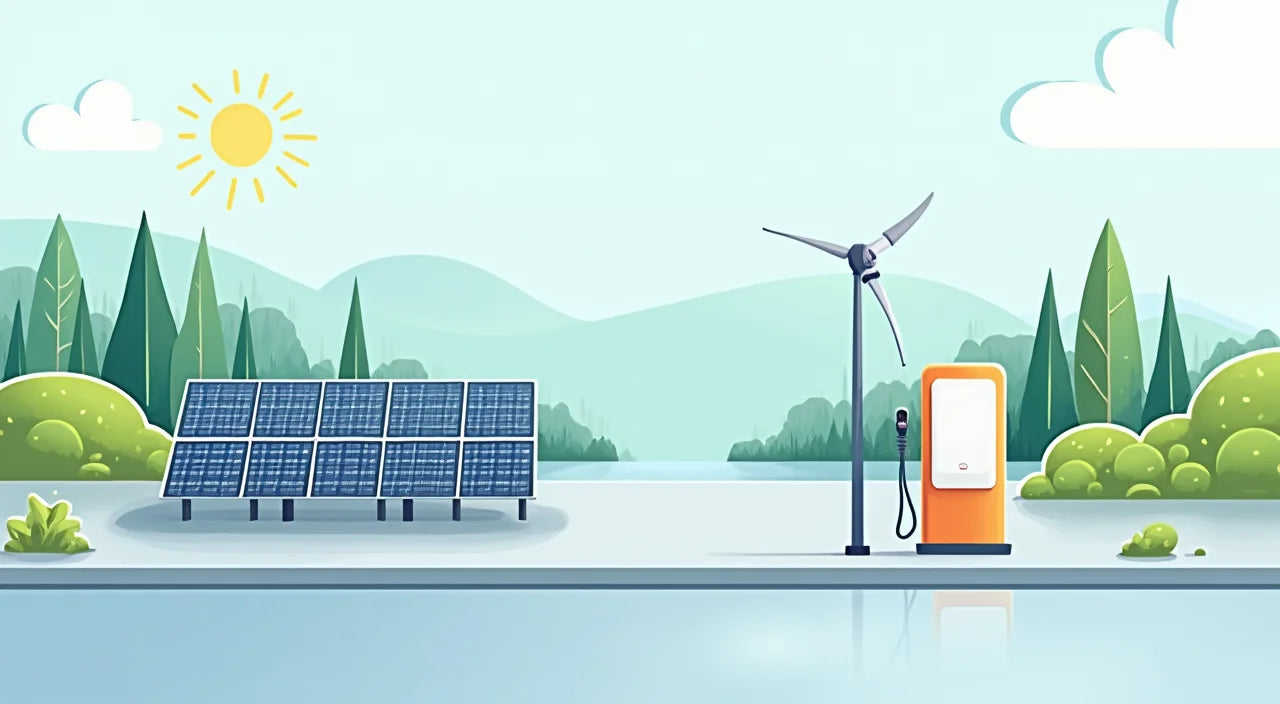
Solar panels and charging dock station representing renewable energy infrastructure
Performance Specifications and Features
Electric golf cart models offer varying performance capabilities suited to different applications. Standard models achieve speeds between twelve and nineteen miles per hour, adequate for golf courses and residential communities. Premium electric models deliver enhanced acceleration and climbing ability for hillier terrain. Regenerative braking systems in advanced models capture energy during deceleration, extending overall range by fifteen to twenty percent. These technological improvements make electric options increasingly competitive with traditional gasoline-powered vehicles.
Customization and Accessory Options
Owners can enhance electric golf carts through numerous aftermarket accessories and customization options. Custom seating, upgraded suspension systems, improved lighting packages, and entertainment features transform basic transportation into personalized vehicles. Weather protection includes windshields, canopies, and full enclosures for year-round usability. Storage solutions accommodate golf bags, tools, or commercial cargo. These modifications allow users to tailor their carts to specific operational requirements and personal preferences while maintaining reliable electric powertrains.
Key Advantages of Electric Golf Carts
- Zero direct emissions contribute to cleaner air quality in residential communities and golf course environments
- Significantly lower operating costs eliminate fuel expenses and reduce maintenance requirements substantially
- Quieter operation reduces noise pollution and creates more pleasant playing conditions for golfers
- Reduced maintenance complexity requires fewer moving parts and eliminates oil changes
- Consistent torque delivery provides smooth acceleration and improved hill-climbing ability
- Lower center of gravity enhances stability and handling characteristics on varied terrain
- Environmentally responsible choice appeals to sustainability-conscious consumers and communities
- Tax incentives and rebate programs reduce initial purchase costs in many regions
- Improved resale value reflects growing market demand for electric transportation solutions
- Silent operation preserves tranquility in residential neighborhoods and protected natural areas
Battery Maintenance and Lifespan
Proper battery care directly impacts the longevity and reliability of electric golf carts. Lead-acid batteries require regular water level checks and terminal cleaning to prevent corrosion and ensure optimal conductivity. Lithium-ion alternatives offer maintenance-free operation with built-in management systems that prevent overcharging and deep discharge cycles. Average battery lifespan ranges from four to ten years depending on usage patterns, charging habits, and environmental conditions.
Seasonal considerations affect battery performance significantly. Cold weather reduces available capacity temporarily, while extreme heat accelerates chemical degradation. Storing carts in climate-controlled facilities during winter months preserves battery health and extends service life. Users should avoid allowing batteries to fully discharge regularly, as this practice accelerates degradation. Scheduled maintenance inspections catch potential issues early and prevent costly repairs or premature replacement.
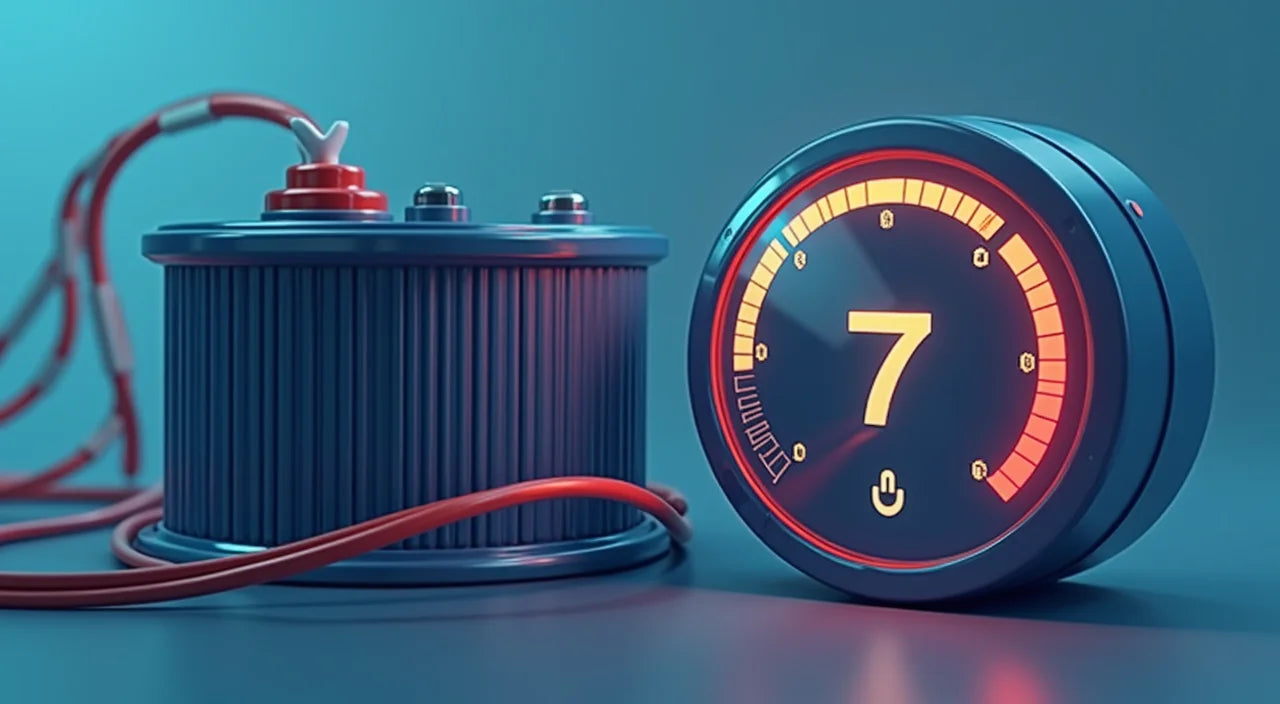
Battery terminal connections and voltage meter displaying charge levels accurately
When battery replacement becomes necessary, recycling programs ensure proper environmental handling of old cells. Modern battery technology produces more efficient and durable systems than predecessors, reducing long-term ownership costs. Several manufacturers, including those available at Kryptex Golf Carts, offer extended warranty protection covering battery defects and performance guarantees. Investing in quality battery systems from reputable sources maximizes reliability and minimizes future complications.
Electric Versus Gas Performance
Comparing electric and gas-powered models reveals distinct operational and financial differences. Electric units deliver full torque instantly from zero revolutions per minute, resulting in superior acceleration compared to gas alternatives. Gas engines require warm-up periods and engine warming before achieving optimal performance, creating noticeable delays during early morning operations. The learning curve favors electric operators who experience more intuitive handling characteristics.
Operational costs strongly favor electric models. Annual fuel expenses for gas-powered carts typically range from three hundred to six hundred dollars, while electric charging costs amount to approximately one-third of fuel expenses. Maintenance expenses decline substantially with electric powertrains, eliminating spark plug replacements, oil changes, and complex engine service. Over a five-year ownership period, electric vehicles demonstrate total cost advantages exceeding several thousand dollars per unit.
Environmental impact considerations increasingly influence purchasing decisions toward electric solutions. Golf courses and residential communities prioritize sustainability initiatives that reduce carbon footprints and improve air quality. Noise reduction benefits create superior recreational experiences for players and residents alike. Many municipalities now restrict or prohibit gas-powered equipment use in certain areas, making electric models increasingly essential for future compliance.
Premium electric models, such as those featured at Kryptex Golf Carts, offer performance capabilities rivaling or exceeding top-tier gas models. Advanced battery systems provide extended range suitable for demanding applications. Regenerative braking technology and optimized motor efficiency maximize energy utilization and operational range throughout extended work days.
Frequently Asked Questions
How far can electric golf carts travel on a single charge?
Standard electric golf carts achieve driving ranges between thirty and fifty miles per full charge, depending on battery capacity, terrain conditions, and driving habits. Hilly terrain reduces range more significantly than flat surfaces due to increased energy demands. Actual range varies based on passenger weight, accessory load, and driving speed. Users accustomed to specific routes can develop reliable charging schedules that ensure continuous operation throughout operating days.
What is the typical lifespan of electric golf cart batteries?
Lead-acid battery systems typically provide four to six years of reliable service with proper maintenance and charging practices. Lithium-ion batteries offer extended longevity between six and ten years due to superior durability and advanced management systems. Actual lifespan depends on climate conditions, charging frequency, and maintenance quality. Most manufacturers provide warranty coverage between two and five years, protecting against premature failure and defects.
Can electric golf carts handle mountainous or hilly terrain effectively?
Modern electric powertrains deliver excellent climbing ability, particularly models with upgraded battery systems and motor specifications. Electric motors provide consistent torque output throughout speed ranges, making hill navigation smoother than gas alternatives. Higher voltage systems (seventy-two volt models) demonstrate superior performance on challenging terrain. Users operating in mountainous areas should prioritize models with adequate battery capacity and powerful motor ratings to ensure adequate reserve power for steep inclines.
Are electric golf carts suitable for commercial and industrial applications?
Yes, electric golf carts perform effectively in commercial settings including warehouse operations, resort transportation, and facility maintenance. Their quiet operation, zero emissions, and minimal maintenance requirements make them ideal for indoor operations and sensitive environments. Commercial operators appreciate consistent performance and predictable operating costs. Customizable cargo configurations accommodate various commercial requirements and equipment transport needs.
Where can I purchase quality electric golf carts?
Kryptex Golf Carts provides comprehensive selections of new and refurbished electric models with competitive pricing and warranty protection. Their inventory includes popular brands and exclusive models suited to residential, commercial, and recreational applications. Customer service representatives assist with model selection, financing options, and post-purchase support. Visiting their facility allows hands-on evaluation and test drives before purchasing decisions.
Summary and Next Steps
Electric golf carts represent the future of personal and commercial transportation in golf communities and residential settings. Superior environmental performance, dramatically reduced operating costs, and improved user experience distinguish these vehicles from traditional alternatives. Battery technology advances continue making electric models more practical and affordable for diverse applications. Comprehensive warranty protection and established service networks ensure long-term reliability and customer satisfaction.
Prospective buyers should evaluate specific requirements including terrain characteristics, daily mileage demands, and budget constraints before selecting models. Consulting with knowledgeable dealers helps identify options perfectly matched to individual needs and preferences. Test drives provide essential experience with handling, acceleration, and comfort features. Financing programs and available incentives can significantly reduce net purchase costs while enabling ownership of premium models previously considered beyond budgets.
Taking action begins with contacting Kryptex Golf Carts directly to discuss your transportation requirements and explore available inventory. Their experienced team guides customers through the selection process and explains financing options, warranty details, and delivery logistics. Starting your electric golf cart journey today positions you to benefit from superior performance, environmental responsibility, and long-term cost savings. Discover how modern electric technology transforms your transportation experience while contributing to sustainable community development.
For fashion-conscious individuals seeking premium apparel alongside vehicle upgrades, explore LUXURY CLOTHING for complementary lifestyle products that reflect your commitment to quality and sophistication.