

Updated on: February 12, 2026
Purchasing a golf cart represents a significant investment for residential and commercial property owners. This comprehensive guide explores essential factors to consider when you buy golf carts, including vehicle types, budget considerations, new versus used options, and where to find reliable dealers. Understanding these key elements ensures you select the right cart for your specific needs and maximize your investment value.
Table of Contents
- Understanding Different Golf Cart Types
- Setting Your Budget and Financial Considerations
- Evaluating New Versus Used Golf Carts
- Key Features and Specifications to Evaluate
- Finding Reputable Golf Cart Dealers
- Maintenance and Long-Term Ownership Costs
- Frequently Asked Questions
Understanding Different Golf Cart Types
When you buy golf carts, your first decision involves selecting the appropriate cart type for your intended use. Golf carts are not exclusively for golf courses; they serve various purposes in residential communities, resorts, industrial facilities, and recreational areas. Understanding the distinctions between cart categories helps ensure your purchase aligns with your operational requirements.
Standard electric golf carts remain the most popular choice for residential and golf course applications. These vehicles operate silently and produce zero emissions, making them environmentally responsible options. Electric carts typically cost less to operate than gasoline-powered alternatives, as electricity rates remain significantly lower than fuel expenses. However, battery replacement represents a notable long-term investment that buyers must anticipate.
Gasoline-powered golf carts deliver greater range and power compared to electric models. These vehicles suit properties with extensive terrain or users requiring extended operational periods without charging interruptions. Gasoline carts work exceptionally well in rural locations where electricity access may be limited. The trade-off involves higher operating costs, increased emissions, and more complex maintenance procedures.
Luxury golf carts have emerged as premium options featuring enhanced comfort amenities, advanced technology systems, and sophisticated styling. These carts often include upgraded seating, climate control, premium audio systems, and custom body designs. Luxury models appeal to high-end residential communities and resort applications where aesthetic appeal and comfort significantly enhance property value and guest experience.
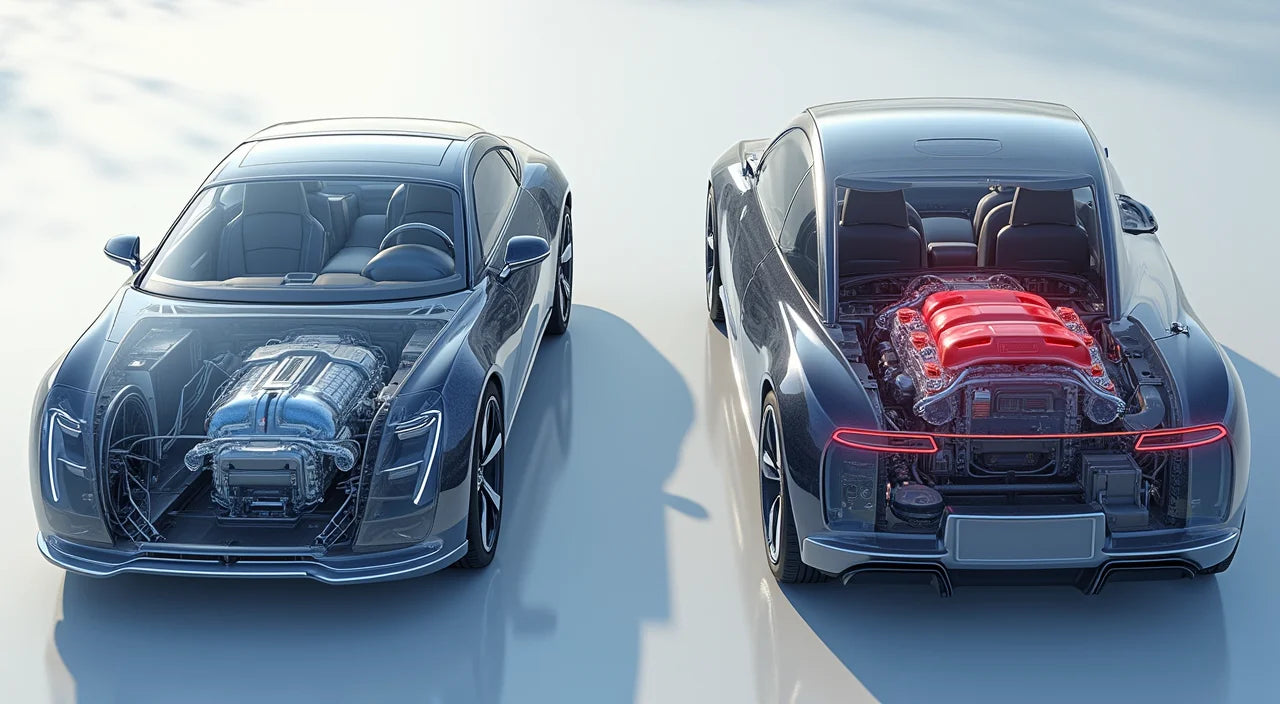
Comparison of electric battery systems, gasoline engine compartments, and luxury interior designs
Setting Your Budget and Financial Considerations
Budget planning forms the foundation of any golf cart purchase decision. Understanding the complete cost structure helps prevent unexpected expenses and ensures financial responsibility. When you buy golf carts, establishing a realistic budget encompasses not only the initial purchase price but also operational and maintenance expenses.
Entry-level electric golf carts typically range from four thousand to seven thousand dollars for basic models. Mid-range electric carts, offering improved features and durability, generally cost between seven thousand and twelve thousand dollars. Premium electric golf carts exceed fifteen thousand dollars and include advanced technology, luxury finishes, and extended warranties. Gasoline-powered carts typically occupy a similar price range, though operating costs may offset initial purchase savings over extended ownership periods.
Financial incentives and promotional offers frequently reduce actual purchase costs. Many dealers provide seasonal discounts during slower sales periods, offering substantial savings to qualified buyers. Some regions offer tax incentives for electric vehicle purchases, including golf carts, reducing net costs significantly. Financing options through dealers or third-party lenders make cart ownership more accessible for budget-conscious purchasers.
Annual operating costs deserve careful consideration during budget planning. Electric carts cost approximately two hundred to four hundred dollars annually for electricity, maintenance, and minor repairs. Gasoline carts typically require five hundred to eight hundred dollars in annual fuel and maintenance expenses. Battery replacement for electric carts, occurring every five to ten years, represents the largest single long-term expense, typically ranging from one thousand five hundred to three thousand dollars.
Evaluating New Versus Used Golf Carts
The decision between purchasing new and used golf carts significantly impacts your financial investment and long-term satisfaction. Each option presents distinct advantages and potential drawbacks that merit careful evaluation based on individual circumstances.
New golf carts offer several compelling advantages that justify their premium pricing. Manufacturer warranties protect against defects and mechanical failures, providing peace of mind and covering repair costs during the initial ownership period. New carts feature the latest technology, design improvements, and efficiency enhancements developed through continued innovation. Buyers can customize new carts according to specific preferences, selecting colors, upholstery, features, and accessories that match individual tastes and functional requirements.
Used golf carts present attractive opportunities for budget-conscious buyers and those seeking immediate availability. Depreciation has already occurred, reducing the purchase price substantially compared to equivalent new models. Extensive used cart inventories provide numerous options across various styles, ages, and price points. For buyers with mechanical expertise or access to reliable technicians, used carts can deliver excellent value when inspected thoroughly before purchase.
Evaluating used carts requires careful inspection of mechanical condition, battery health, body integrity, and overall functionality. Request maintenance records documenting previous service history, repairs, and component replacements. Have a qualified technician inspect the cart before finalizing any purchase, identifying potential issues that may require expensive repairs. Consider the cart's age relative to component lifespan; batteries and motors have finite service lives that impact future operating costs.

Battery inspection tools, maintenance record documentation, and mechanical diagnostic equipment
Key Features and Specifications to Evaluate
When you purchase golf carts, evaluating specific features and technical specifications ensures the cart meets your functional requirements and provides satisfactory long-term performance. Understanding these elements prevents purchasing a cart that proves inadequate for your intended applications.
Seating capacity represents a fundamental specification affecting the cart's utility. Two-passenger carts suit individual users and couples, offering compact sizing and maneuverability. Four-passenger carts provide moderate cargo and passenger capacity for small families or work teams. Six-passenger and extended carts accommodate larger groups, making them ideal for resort transportation, tour operations, and commercial applications. Verify that seating configurations remain comfortable and meet your specific usage patterns.
Cargo capacity and bed design influence the cart's suitability for work applications. Carts designed for golf use typically offer minimal storage space. Utility carts feature larger beds, higher weight ratings, and reinforced construction suitable for transporting equipment, supplies, and materials. Assess your cargo requirements and ensure the selected cart accommodates anticipated loads safely and effectively.
Speed capabilities vary significantly across different cart models. Standard golf carts typically operate at twelve to fourteen miles per hour. Speed-enhanced models reach eighteen to twenty miles per hour, suitable for property navigation and recreational driving. Some performance carts exceed twenty-five miles per hour, delivering car-like experiences with enhanced comfort and technology. Higher speeds require proper licensing in many jurisdictions and may necessitate safety equipment or insurance modifications.
Range and charging time matter considerably for electric cart owners. Standard electric carts travel thirty to forty miles per charge under typical conditions. Premium models extend range to forty-five miles or more, reducing charging frequency. Charging times typically range from six to ten hours using standard household outlets. Rapid charging systems reduce charging time to four hours or less, though this option requires dedicated electrical infrastructure installation.
Finding Reputable Golf Cart Dealers
Locating trustworthy dealers ensures you receive quality products, fair pricing, and reliable after-sale support. Dealer selection significantly impacts your ownership experience and long-term satisfaction with your purchase. Kryptex Golf Carts represents a reputable source for quality golf cart purchases, offering diverse inventory and professional customer service.
Established dealers with extensive experience provide valuable expertise and reliable service. Research dealer credentials, including business registration, licensing, and industry affiliations. Check customer reviews on independent platforms, assessing satisfaction levels and addressing common concerns or complaints. Request references from previous customers and contact them directly regarding their purchase experience and post-sale support quality.
Authorized brand dealers offer manufacturer support and genuine parts availability, ensuring quality and warranty compliance. These dealers maintain specific inventory standards and staff training requirements, guaranteeing professional interactions. Authorized dealerships can access manufacturer-supported financing programs, extended warranty options, and genuine replacement components unavailable through independent retailers.
Dealer transparency regarding pricing, specifications, and cart condition demonstrates professional integrity. Reputable dealers clearly disclose any repairs, modifications, or previous damage affecting used carts. They provide detailed vehicle histories, maintenance records, and honest assessments of cart condition and remaining useful life. Avoid dealers who obscure information, pressure quick purchases, or display reluctance answering detailed questions about their inventory.
Quality golf cart retailers typically offer comprehensive services including delivery, setup, customization, maintenance, and repair. These value-added services justify their pricing and ensure proper vehicle preparation before delivery. Dealers who invest in customer support often maintain stronger reputations and higher customer satisfaction ratings.
Maintenance and Long-Term Ownership Costs
Understanding maintenance requirements and long-term ownership expenses helps establish realistic expectations for cart ownership and budget planning. Proper maintenance preserves vehicle longevity and prevents costly emergency repairs during critical operational periods.
Regular maintenance for electric golf carts includes battery care, tire rotation, brake inspection, and general electrical system checks. Battery maintenance proves most critical, requiring periodic water level checks for lead-acid batteries and proper charging protocols for all battery types. Maintaining recommended charge levels and temperature ranges extends battery lifespan significantly. Professional battery reconditioning services can restore battery capacity, extending useful life and deferring replacement expenses.
Gasoline cart maintenance encompasses oil changes, air filter replacement, spark plug service, and fuel system cleaning. More frequent maintenance intervals and higher parts costs characterize gasoline models compared to electric alternatives. Seasonal storage requires proper fuel stabilization and winterization procedures preventing engine damage and corrosion.
Tire maintenance applies equally to electric and gasoline carts. Regular tire pressure checks, rotation, and alignment ensure safe operation and optimal performance. Quality replacement tires cost significantly more than budget options but provide superior longevity and safety characteristics.
Brake systems require periodic inspection and maintenance ensuring safe stopping capability. Professional brake service typically costs one hundred to three hundred dollars, depending on severity and required repairs. Regular maintenance prevents emergency brake failure and associated safety hazards.
Comprehensive maintenance guides help owners perform routine care and identify when professional service becomes necessary. Following manufacturer recommendations preserves warranty coverage and maintains optimal vehicle performance throughout the ownership period.
Frequently Asked Questions
What is the typical lifespan of a golf cart?
Well-maintained golf carts typically operate reliably for ten to twenty years or longer, depending on usage intensity and maintenance consistency. Electric carts generally last longer than gasoline models due to fewer moving parts and simpler mechanical systems. Battery replacement represents the primary long-term investment for electric models, but proper maintenance can extend battery life significantly. Commercial carts experiencing heavy daily use may require earlier component replacement compared to residential carts with moderate usage patterns.
Are golf carts street legal?
Golf cart street legality varies significantly by jurisdiction and specific regulations governing low-speed vehicles in your area. Most golf carts qualify as low-speed vehicles in jurisdictions allowing operation on roads with posted speed limits not exceeding thirty-five miles per hour. However, many regions restrict golf cart operation to golf courses, private property, and designated recreational areas. Before purchasing a cart for public road use, verify local regulations with your municipality or county authorities. Some jurisdictions require registration, liability insurance, and driver licensing for street operation. Equipment modifications, including lighting systems and safety features, may be required for road-legal status.
How much does battery replacement cost for electric golf carts?
Battery replacement costs for electric golf carts typically range from one thousand five hundred to three thousand dollars, depending on battery type, capacity, and manufacturer. Lead-acid batteries, the most common type in standard electric carts, cost less than lithium-ion alternatives but require more frequent replacement. Lithium-ion batteries command higher initial costs but offer extended lifespan, superior performance, and lower long-term ownership costs. Professional installation fees typically add two hundred to four hundred dollars to replacement costs. Battery warranties vary from three to ten years depending on manufacturer and battery type, with proper maintenance extending actual lifespan beyond warranty periods.